

 Current position > News detail
『Analog Liquid Flow Meter: Mechanical Paddlewheel and Turbine Indicators』Related information(flow rotameter|digital flow meter|balo meter|hydraulic flow meter|volumetric meter|positive displacement meter|pitot tube flow meter|displacement meter|cfm meter|variable area flow meter|inline flow meter|differential pressure flow meter|calibrated flow meter|velocity meter|paddle wheel flow meter|oval gear flow meter|anemometer hvac|multiphase flow meter|doppler flow meter|thorpe tube flowmeter|heat flow meter)
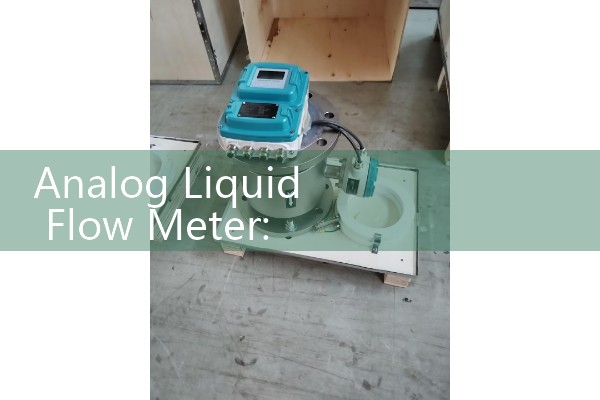
Analog Liquid Flow Meter: Mechanical Paddlewheel and Turbine Indicators
Quick Answer: Silver Instruments supplies mechanical paddlewheel and turbine analog meters for clean water, cooling loops, chemical batching, and OEM skids. These meters give local flow indication at lower cost than magnetic or Coriolis meters. Specify pipe size in DN, flow range in m3/h or L/min, pressure in bar, temperature in °C, and output type before requesting a quote.
Why Purchase a Mechanical Analog Meter Instead of a Digital Transmitter
Here is the thing. Many plants still want a direct reading on a local faceplate. Operators do not need to open a HART menu or wait for SCADA. A paddlewheel indicator on a cooling water return line gives a fast check during a walkaround. A turbine analog indicator with pulse output lets the PLC totalize without an extra display. Silver Automation Instruments sees repeat orders from water treatment panels and small chemical batching systems across Malaysia, Indonesia, the UAE, Chile, and Nigeria.
Paddlewheel Indicator vs Turbine Indicator
Paddlewheel models use a wheel with small magnets. A pickup reads the magnetic pulses. Because the pickup detects magnetic pulses, the meter does not need a separate flow computer for a local display. They work well from 0.3 to 8 m/s in clean liquids. Turbine models use a multi-blade rotor in the flow stream. They are a better fit when the line velocity stays above 0.5 m/s and the customer wants repeatability from batch to batch.
Both types have limits. Solids, fibers, or free gas will damage rotors and create unstable readings. A plastic filter manufacturer in Vietnam asked us for a paddlewheel meter on a 25 mm line carrying hot demineralized water at 80 °C. We supplied a PVDF body, PVDF rotor, and PTFE bearings. The meter has worked for two years without repair.
What Parameters Decide the Quote
Do not guess viscosity. For liquids below 10 cP, paddlewheel and turbine meters are a normal fit. If the fluid is above 20 cP, switch to an oval gear flow meter. State the pipe size and line pressure. A DN50 meter rated for 10 bar at 50 °C will not suit a 16 bar steam condensate line at 120 °C. We also ask for flow range because oversizing can cause low velocity error.
Most engineers skip the straight run requirement. For paddlewheel and turbine sensors, use 10D upstream and 5D downstream. This means a DN25 meter needs 250 mm of straight pipe before the sensor. Without it, swirl from elbows or pumps can shift the reading by 2 to 4 percent. We have seen this on many customer sites.
Output Types and Panel Wiring
Analog display only needs no power supply. It is common on local cooling loops and wash water lines. Pulse output is used for PLC totalizing and batch control. 4-20 mA output sends a continuous signal to a paperless recorder, DCS, or remote display. Silver Instruments can build one meter with local analog display plus pulse and 4-20 mA HAR
If the meter is placed far from the panel, use 4-20 mA HART. If the operator only needs a local reading, skip the transmitter and save panel I/O cost. We often quote this for small OEM machines in the food and beverage industry.
Materials, Fittings, and Hazardous Areas
PP and PVC bodies are common for ambient clean water and mild chemicals. Stainless steel 316 bodies handle higher pressure and temperature up to 120 °C at 16 bar depending on the bearing type. Do not use brass bodies on demineralized water or acid lines. A water treatment contractor in the Philippines had brass meter threads fail on a brine line after a few months. We replaced those with PP body paddlewheel units and Hastelloy shafts.
For fuel transfer or solvent storage in ATEX Zone 1, passive pulse output with an intrinsically safe barrier is a practical route. The local analog indicator must match the hazardous area classification. Tell us the zone and gas group in your inquiry.
Common Flow Ranges for Quoting
DN15 paddlewheel indicators cover about 2 to 60 L/min in water. DN25 meters cover 5 to 180 L/min. DN40 turbine meters handle 0.5 to 25 m3/h. DN80 turbine meters reach 80 m3/h or more depending on rotor design. These ranges shift with viscosity and specific gravity. For light oil and diesel, a turbine meter with stainless steel internals works well. For water and wastewater, a plastic body paddlewheel indicator is the standard choice.
FAQ: Fast Answers on Mechanical Paddlewheel and Turbine Meters
Can these meters work in vertical pipes?
Yes, if flow is upward and the pipe stays full. Downward flow can cause unstable reading.
What is the minimum straight pipe run?
Use 10D upstream and 5D downstream for most installations. Add a straightening vane if the pump discharge or elbow is closer than 10D.
Do I need external power for an analog display only?
No. A local analog display does not need loop power. Pulse and 4-20 mA outputs need 24 VDC or a separate supply.
Which fluids cause early rotor failure?
Fluids with solids, fibers, iron fines, or high aeration wear the rotor and pickup. Fit a strainer upstream and use a magnetic filter for ferrous particles.
Can I use these meters for custody transfer?
No. Use a Coriolis mass flow meter or oval gear positive displacement meter with a valid calibration certificate.
Request a Quote from Silver Instruments
Send us your pressure in bar, temperature in °C, pipe size in DN, and flow range in m3/h or L/min. Include the fluid name and output type if you know it. We can propose a paddlewheel or turbine analog meter for clean water, cooling loops, chemical batching, and OEM skids. Contact Silver Instruments at +86-25-68650347, on WhatsApp +86-25-52155837, or via WeChat +86 15365082610. We reply to project inquiries within 24 hours from our Shanghai office.